Flu home remedies: garlic, elderflower and 5 more
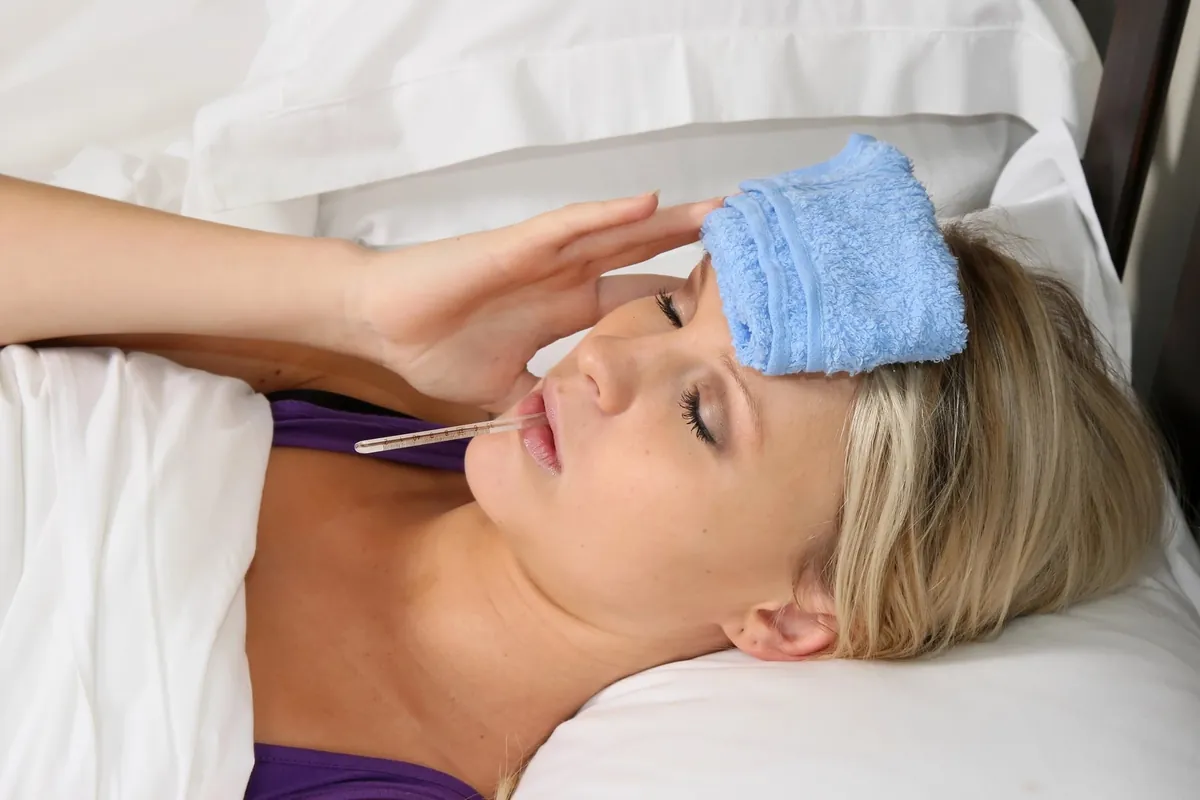
The flu is not a bad cold. It arrives in an afternoon, it comes with a fever and a body that aches, and it flattens you for five to seven days.
MedlinePlus draws the line the way a grandmother would have: flu symptoms “come on suddenly”, while a cold starts slowly; the flu usually brings fever and aches, a cold rarely does. If yours crept up on you over two days with a runny nose, our cold remedies are the better page.
And if what you have is vomiting and diarrhea, this is not the flu at all, whatever it is called. MedlinePlus is explicit that the “stomach flu” is not caused by flu viruses: that one is in our stomach flu remedies, and the flu shot does nothing against it.
Before the remedies, the part that is not negotiable. MedlinePlus lists who is at higher risk of complications: adults 65 and older, pregnant women, children younger than 5, and people with chronic conditions such as asthma, diabetes and heart disease. If you are on that list, call a doctor at the first symptoms rather than reaching for anything below. Antiviral medicines “usually work best when you start taking them within 2 days of getting sick”, and a two-day window is not long enough to spend waiting to see.
Everything that follows is comfort while the week passes.
The ginger, lemon and honey infusion
Grate ¾ inch (2 cm) of peeled fresh ginger into a cup. Pour over 1¼ cups (300 ml) of just-simmering water at about 185°F (85°C), cover, steep 10 to 15 minutes. Strain, cool slightly, then add the juice of half a lemon and 1 tablespoon (15 ml) of honey. Two or three cups a day between meals.
Ginger carries more limits than its reputation suggests. Skip it if you take anticoagulants or antiplatelet medicines, or if you have gallstones, a stomach ulcer or acid reflux. Stop 7 days before any surgery. In pregnancy, stay under 1 g a day.
The National Center for Complementary and Integrative Health says plainly that if you take any medicine, you should talk to your health care provider before using ginger, and it does not establish ginger as a treatment for flu. This is a warming cup, not a medicine.
Never honey under 1 year.
The garlic potion
Peel and finely chop ¾ to 1 oz (20 to 30 g) of fresh garlic, about 4 to 6 cloves. Bring ¾ cup (200 ml) of water to a boil, take it off the heat, add the garlic to the hot but no longer boiling water, and cover at once. Strain, then stir 1.75 oz (50 g) of honey into the still-warm liquid until it dissolves. Bottle it in sterilized glass, keep it in the refrigerator up to 7 days, and take 2 to 3 tablespoons a day, 30 minutes before meals.
Read this before you make it. The NCCIH garlic page is specific: “taking garlic supplements may increase the risk of bleeding”, which matters before surgery and alongside anticoagulants or aspirin. It also notes that garlic in amounts greater than those found in food may be unsafe during pregnancy or breastfeeding, and that raw garlic used on the skin “can cause severe skin irritation and chemical burns”. That last line is not about this recipe, and it is worth knowing before anyone suggests rubbing a clove on anything.
On what garlic actually does for a flu, NCCIH is honest: the evidence for immune benefits is weak, resting on two small studies. So this is a traditional preparation, taken for comfort, and we will leave the claim there.
Never honey under 1 year, which rules this out for infants entirely.
Elderflower tea
Pour 1 cup (250 ml) of just-simmering water, 185°F (85°C) at most, over 2 teaspoons (3 to 4 g) of dried black elderflowers. Cover with a saucer, steep 10 minutes, strain, and drink it hot under a light blanket. Three cups a day at most, for 3 to 5 days. A spoonful of honey and half a lemon make it far better.
The safety line here is real poisoning, not a formality. NCCIH states it directly: “raw or unripe elderberries and other parts of the elder tree, such as the leaves and stem, contain poisonous cyanide-producing substances that can cause nausea, vomiting, and severe diarrhea; cooking eliminates this toxin.” Use only dried flowers bought from a herbal supplier, or fully cooked berries. Never anything picked and used raw.
What the science says, in NCCIH’s own words: “Some preliminary research suggests that elderberry may relieve symptoms of flu, colds, or other upper respiratory infections.” Preliminary is the operative word, and the same page notes little is known about safety in pregnancy or breastfeeding.
The leek syrup
Wash and slice 2 large leeks, put them in a pan and add water just to their level. Cook covered over low heat for 20 minutes. Strain, pressing hard to get all the juice. Measure the liquid and add half its weight in honey: ½ cup (100 ml) of juice takes 1.75 oz (50 g). One tablespoon three times a day. Keeps 48 hours in the refrigerator, no longer.
This is one of the gentlest things in the French repertoire and it tastes far better than it sounds. Honey rule as ever: not under 1 year.
The black radish syrup
Take a medium organic black radish, unpeeled, and slice it 2 to 3 mm thick. In a bowl, alternate layers of radish and brown sugar, about 3.5 oz (100 g) in all. Cover and leave it in the refrigerator for 12 to 24 hours. Strain the juice into a small bottle. One teaspoon (5 ml) three or four times a day, after meals. 48 hours in the refrigerator, then throw it out.
Not if you have gallstones or an inflamed gallbladder.
If what you are left with at the end of the week is a cough that will not quit, that has its own page: our cough remedies sort dry from chesty, which matters more than most people think.
Echinacea, at the very first signs
Pour ⅔ cup (150 ml) of boiling water over ½ teaspoon (about 1 g) of dried echinacea root, cut small or powdered. Steep covered 10 minutes, strain. Three cups a day, for no more than 7 days, starting at the first signs.
What NCCIH actually found, and it is modest: “Taking echinacea may slightly reduce your chances of catching a cold”, while “it’s still unclear whether echinacea can shorten the length of a cold.” So this is a first-signs remedy by tradition, not a cure by evidence.
Do not take it if you have an autoimmune disease or take immunosuppressants, or during pregnancy. NCCIH also notes allergic reactions are possible, and that you should talk to a provider before giving it to a child. Never more than 8 consecutive weeks.
The alcohol-free hot toddy
Hot water, the juice of half a lemon, a tablespoon of honey, a slice of fresh ginger, and a pinch of cinnamon if you like. Drink it as hot as you comfortably can, wrapped up, in the evening.
There is no alcohol in this on purpose. The traditional version has rum in it, and alcohol dehydrates you exactly when the fever is already doing that, disturbs sleep, and does not mix with the medicines people take for flu. The warmth and the honey were always the point.
Rest, and the mistake with the blankets
Sleep as much as your body asks for. Keep the room cool, 64 to 68°F (18 to 20°C), and aired.
Do not pile on blankets to “sweat it out”. That is the classic error and it works against you: you stop the body from shedding heat and hold the temperature up. Light cotton, one thin blanket if you feel cold, cool room. The same reasoning applies in full to our fever remedies, where it matters even more.
When to see a doctor
Call on day one, not day four, if you are over 65, pregnant, under 5, or living with a chronic illness such as asthma, diabetes or heart disease. That is MedlinePlus’s own risk list, and the antiviral window is two days.
Call for anyone if there is trouble breathing or fast breathing, chest pain, confusion, a fever that keeps climbing back after coming down, or symptoms that improve and then sharply worsen.
And a rule with no exceptions: no aspirin for a child with a fever. MedlinePlus states it flatly: “Adults can also take aspirin, but children with fevers should not take aspirin.” The reason is Reye syndrome, and it applies to teenagers too.
For a child’s fever, the age thresholds are set out in full on our fever page, and the one to memorize is that any temperature of 100.4°F (38°C) or higher in a baby under 3 months is a call to the pediatrician straight away.
And if the headache is the worst part, which with flu it often is, our headache remedies cover the cold compress and the dark room that grandmothers reached for first.
FAQ
Does the flu shot make these remedies pointless?
No, and it is not the same job. The vaccine is about not getting the flu, or getting it less badly. Everything on this page is about the week you are already in. They do not compete.
Can I give the leek or radish syrup to my children?
Not under 1 year, because both are made with honey or sugar syrup and the honey rule is absolute. Above that age they are gentle, and they are usually the only two on this page a child will actually drink.
Why is there no alcohol in the hot toddy?
Because the version with rum belongs to a time when nobody thought about dehydration. Alcohol pulls water out of you exactly when a fever is already doing it, and it does not sit well with flu medicines. The honey, the lemon and the heat were always doing the work.

Virginie Verglas
Virginie is a French journalist and author. She founded Grands-Mères.net in 2012, and her book "The French Book of Natural Remedies" is the American edition of her work on traditional remedies.