Baking soda for pets: 5 uses that work, and the ones to skip
A box of baking soda has been under every French kitchen sink for a century, and it does genuinely useful work around a household animal.
It also gets recommended for a lot of things it does not do. Here is the honest division.
The litter box
This is where it works best.
Wash the empty box with hot water, dry it, then scatter a thin layer of baking soda across the bottom before adding the litter. Refresh it at each full change.
It neutralizes the smell of ammonia rather than covering it, which is the difference between this and a scented product. Cats have strong opinions about perfume in a litter box, and a cat that dislikes its box stops using it.
Use a thin layer. This is not a case where more helps.
Beds, blankets and the sofa
For a bed or a blanket that has taken on a smell: sprinkle baking soda over the dry fabric, leave it for fifteen minutes to an hour, then vacuum thoroughly.
The same works on a carpet or a sofa cushion. Test an inconspicuous corner first if the fabric is delicate or dark.
Vacuum properly afterwards. Powder left in a bed will end up on the animal, and from there in its mouth when it grooms.
Bowls
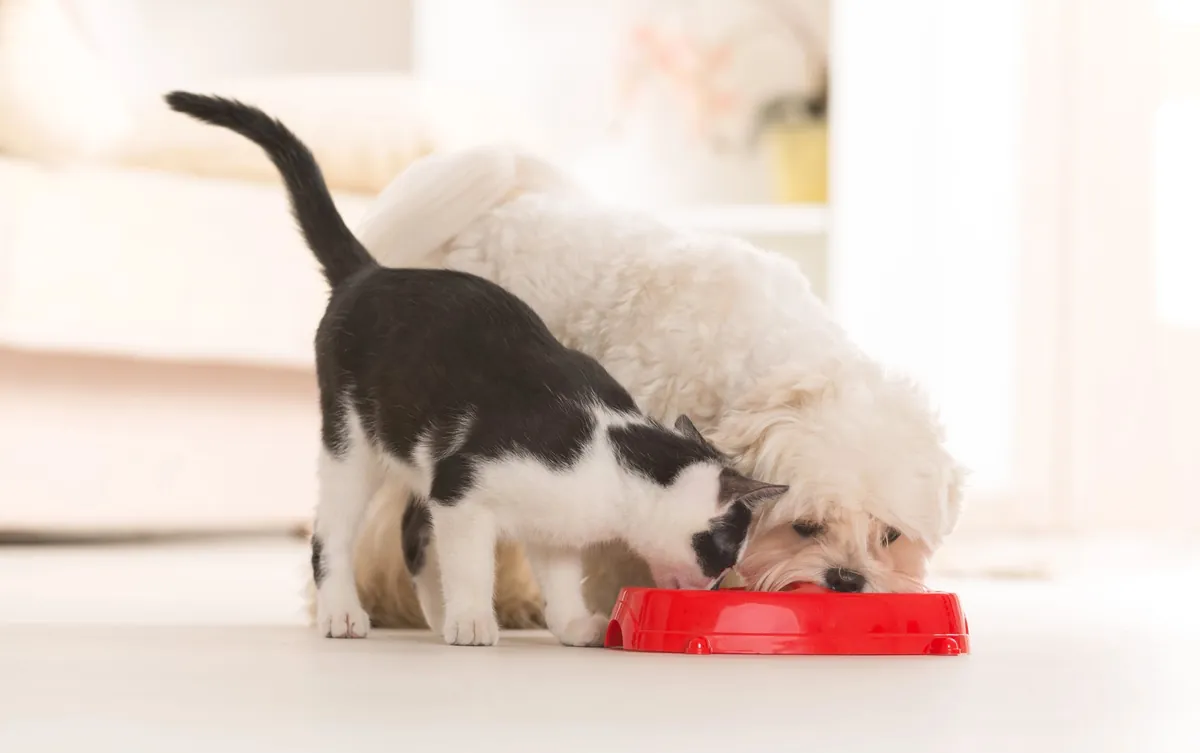
Food and water bowls build a film that soap does not always shift, particularly plastic ones.
Make a paste with baking soda and a little water, scrub, rinse very thoroughly, and dry. The rinsing is the part that matters: your animal will be drinking out of it in an hour.
Stainless steel or ceramic bowls are easier to keep clean than plastic, which scratches and holds bacteria in the scratches.
A dry clean, when a bath is not possible
For a dog between baths, or one that has rolled in something: work a little baking soda into the dry coat with your fingers, leave it a few minutes, then brush it out completely.
Keep it away from the face, the eyes and the ears. Brush until the coat is clean, because whatever stays in the fur is going to be swallowed during grooming.
This is a freshen up, not a wash, and it does not replace a proper bath when one is needed.
For cats, skip it. Cats groom constantly and thoroughly, they dislike powder in the coat, and a damp cloth does the job with less objection.
Toys
Hard plastic and rubber toys can be soaked in warm water with a tablespoon of baking soda, scrubbed, and rinsed at length.
Fabric toys go in the washing machine instead, with a spoonful of baking soda added to the drum and no fragranced softener.
What baking soda does not do
This is the part most pages leave out.
- It does not kill fleas. It is recommended for this constantly and it does not work. Fleas need a proper treatment, most of the work is in the house rather than on the animal, and there are things you must never put on a cat that the internet suggests cheerfully.
- It does not disinfect. It deodorizes and it scours gently. Those are not the same thing.
- It is not a remedy to give, and neither is anything else from the kitchen cupboard: several ordinary foods are genuinely toxic to dogs and cats. Baking soda swallowed in quantity is a real hazard, it belongs nowhere near the water bowl, and no home dose is worth improvising. If your animal has eaten something it should not have, the number is the ASPCA Animal Poison Control Center, (888) 426-4435, 24 hours a day. A consultation fee may apply.
- It does not cure bad breath. Persistent bad breath in a dog or cat is usually dental disease, and that is a veterinary appointment rather than a cleaning product.
The mistake worth naming
Do not mix baking soda and vinegar as a cleaning product, however satisfying the foam is.
They neutralize each other on contact. What is left when the fizzing stops is mostly salty water, which is weaker than either would have been alone. Use one, rinse, then the other if you must, but not together in a bottle.
When to call a veterinarian instead
Cleaning products solve smells. They do not solve the reasons behind them.
Make an appointment if:
- your cat has stopped using a clean litter box, which is often a urinary problem rather than a mood
- the bad breath is persistent, or the gums are red or bleeding
- the coat smells strongly, is greasy, or the skin underneath is red or flaking
- your animal is scratching constantly
- there is a sudden change in how much it drinks or urinates
And call the poison line straight away if a pet has eaten a quantity of baking soda, particularly a small animal.
FAQ
Can I put baking soda directly on my dog for fleas?
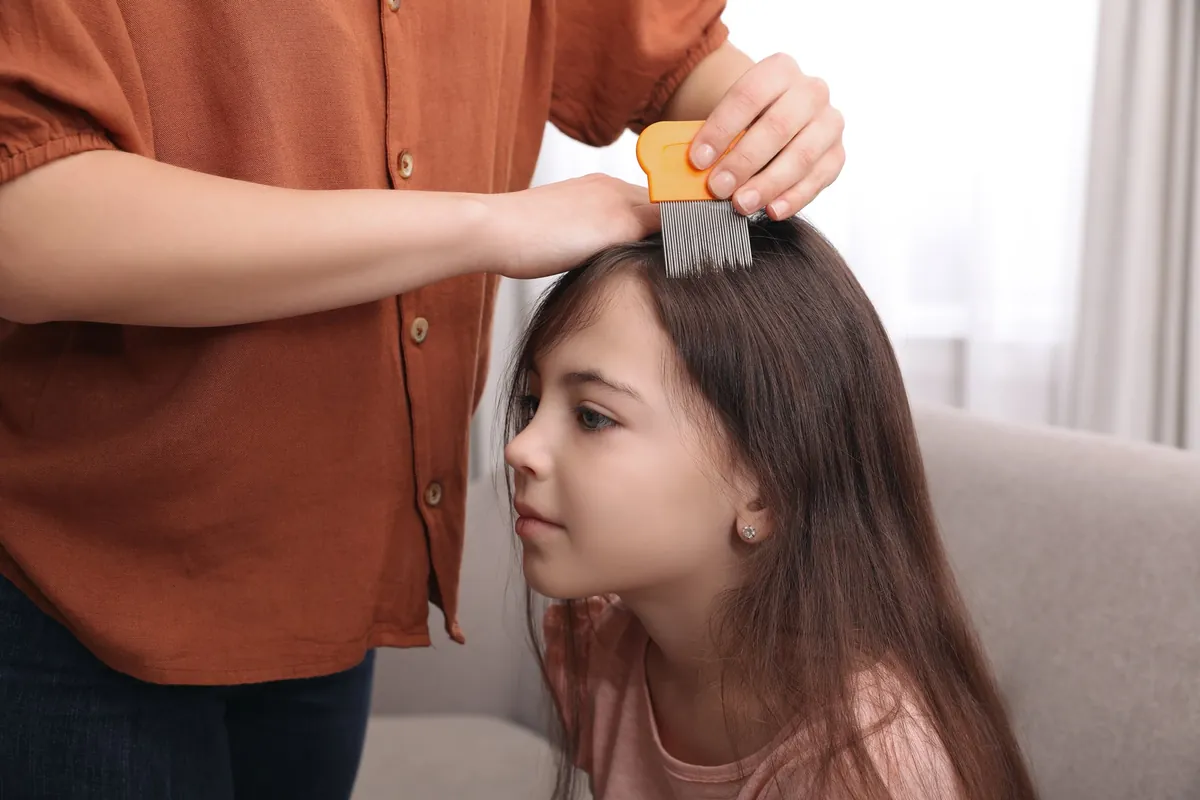
It will not kill fleas, whatever a lot of pages claim. A flea comb, a proper treatment recommended by your veterinarian, and thorough work on the house are what clears an infestation.
Is baking soda safe if my cat licks the litter box?
The thin layer under the litter is not the problem. Powder left loose in a bed or worked into a coat is a different matter, since it will be swallowed during grooming. Vacuum and brush thoroughly, always.
Can I use baking soda to brush my pet’s teeth?
No. Use a toothpaste made for animals, which they are meant to swallow. Baking soda is abrasive, tastes unpleasant to them, and is not intended to be eaten.

Virginie Verglas
Virginie is a French journalist and author. She founded Grands-Mères.net in 2012, and her book "The French Book of Natural Remedies" is the American edition of her work on traditional remedies.