Hiccups: 9 French grandmother remedies
Every family has its own trick. Hold your breath and count to ten, drink from the wrong side of the glass, let someone startle you. French grandmothers had a whole collection of them, and most have one thing in common: they interrupt the reflex by giving the body something else to deal with.
Here are nine of them, the ones that come up again and again in French households, with the ages they suit and the point at which hiccups stop being a nuisance and become worth a doctor’s visit.
What is actually happening
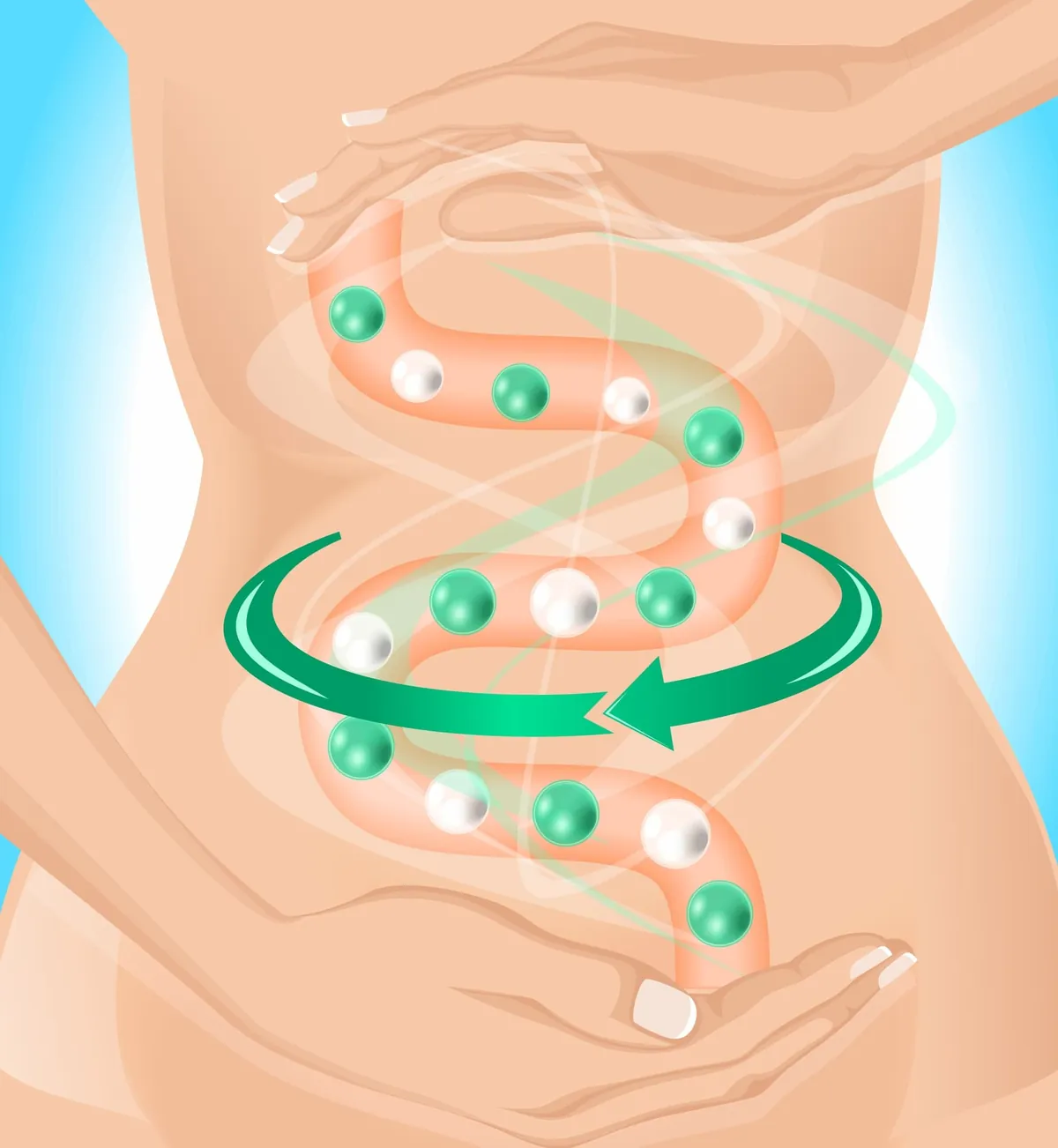
Hiccups are an involuntary, repeated contraction of the diaphragm. The National Library of Medicine describes the diaphragm as “a muscle at the base of your lungs” and “the main muscle used for breathing,” and notes that hiccups “often happen when something irritates your diaphragm.” Eating too fast, fizzy drinks, alcohol and nervousness are among the usual triggers. So is a week of hard coughing, which works the same muscle over and over: if that is where yours came from, the cough remedies are the more useful page.
That is the honest extent of what is settled. You will read a great deal online about the vagus nerve and about raising carbon dioxide in the blood. Those explanations are plausible and often repeated, but we have not found them established well enough to state them as fact here. What follows is therefore what people do, and what it is reasonable to expect, rather than a mechanism we cannot back up.
Sugar on the tongue
Place one level teaspoon (5 g) of white or brown sugar directly on your tongue. Let it melt slowly, without crunching or swallowing, and keep it in your mouth for 30 seconds to a minute. Rinse afterward to protect your teeth.
For ages 4 and up. Below that age the risk of choking is too high. For a younger child, use slow sips of water or the gentle breathing method further down.
A gargle of ice-cold water
Fill a glass with very cold water, adding ice if needed to bring it to roughly 32 to 41°F (0 to 5°C). Take a generous sip and gargle for 10 to 20 seconds, making the water vibrate at the back of the throat. Spit it out and repeat once if needed. Two tries are usually enough.
Not for young children, who cannot gargle safely. The same rule, and the same technique, apply to the salt water gargle in our sore throat remedies.
Lemon
Suck on a slice of organic lemon for 20 to 30 seconds, or swallow a tablespoon (15 ml) of pure lemon juice. Rinse your mouth with plain water afterward: lemon is acidic enough to wear at tooth enamel, and that is worth avoiding for the sake of a hiccup.
Breathing, the gentlest method
Breathe in deeply through your nose. Hold your breath and swallow your saliva two or three times in a row without taking in air. Hold a few seconds more, then breathe out slowly through your mouth.
A small sip of cold water before you hold your breath is the usual refinement. If the hiccups hold on, try box breathing: breathe in for four counts, hold for four, out for four, hold for four, and repeat for a minute or two.
This is the method to reach for first with children, and the only one on this list that suits almost everyone.
Pressure points
Three points come up in the French tradition. Pull your earlobes gently down and outward for 30 seconds. Or place both thumbs in the hollow at the base of the sternum, between the ribs, and press firmly for 30 seconds while breathing deeply. Or press gently between the eyebrows with your index finger, also for 30 seconds.
Press firmly, never hard, and stop if anything hurts.
A cold compress on the neck
Apply a cloth soaked in very cold water, or a bag of frozen peas wrapped in a thin towel, to the back of the neck for 30 seconds. Never put ice straight onto skin. Repeat after two minutes if needed, three applications at most.
The cold compress on the back of the neck is the same gesture French grandmothers used against a pounding head, and it is the first of our headache remedies for that reason.
Knees to the chest
Lie on your back, bring your knees up to your chest and wrap your arms around them. Hold for one to two minutes, breathing calmly. If you cannot lie down, sit on a chair and lean forward until your torso rests on your thighs, arms hanging toward the floor, for the same length of time.
This is the one French grandmothers kept for hiccups that will not let go.
Drinking from the far side of the glass
Fill a glass three-quarters full and set it on a table in front of you. Bend forward until your face is over the glass, chin tucked, then put your lips on the far edge, the one away from you, and drink three or four slow sips without lifting your head.
It looks absurd, which is part of why children love it. Do not try it with a small child, who may swallow the wrong way in that position.
A mint or fennel infusion
Pour ¾ cup (200 ml) of water just off the boil, around 176 to 185°F (80 to 85°C), over either one teaspoon (2 g) of dried mint leaves or half a teaspoon (1 g) of fennel seeds. Choose one, do not mix them. Cover, steep for five minutes, strain, and sip while still warm.
This one is for adults. Two cautions, and both are worth stating plainly:
- Fennel is not for pregnancy, breastfeeding, or children under 4. Fennel naturally contains estragole, and Swissmedic, the Swiss medicines agency, advises fennel tea should “not to be used during pregnancy and breastfeeding” and used “for children under 4 years only in consultation with a healthcare professional.”
- Peppermint oil is not the same thing as mint tea. The National Center for Complementary and Integrative Health warns that menthol “should not be inhaled by or applied to the face of an infant or small child because it may negatively affect their breathing.” Leaves in hot water are not the concern here; the essential oil is.
When to see a doctor
Hiccups are harmless the vast majority of the time, and they pass.
Contact your health care provider if they last more than a few days or keep coming back. That is the threshold the National Library of Medicine gives for chronic hiccups, and persistent hiccups can point to a cause that needs looking at rather than a trick.
Also worth a call sooner: hiccups that stop you from eating, drinking or sleeping, that arrive with chest pain, difficulty swallowing or vomiting, or that begin after a head injury or a change in medication.
FAQ
Does holding your breath really work?
Often, yes, and it is the gentlest of these methods. It is also the one that suits children and older people, so it is a sensible first try before anything colder or sweeter.
Is there a remedy for a baby with hiccups?
Hiccups are very common in babies and usually pass on their own. None of the remedies here are for infants: no sugar, no gargling, no infusion. Hold your baby upright, take a pause in the feed, and let it settle. If hiccups seem to distress your baby or keep coming back, speak to your pediatrician.
Why do French grandmothers use sugar?
Because it was always in the house, and because a strong taste on the tongue gives the reflex something to interrupt it. It is one of the oldest tricks in the French repertoire, and one of the few that a child will happily agree to.

Virginie Verglas
Virginie is a French journalist and author. She founded Grands-Mères.net in 2012, and her book "The French Book of Natural Remedies" is the American edition of her work on traditional remedies.