Seasonal affective disorder: what helps
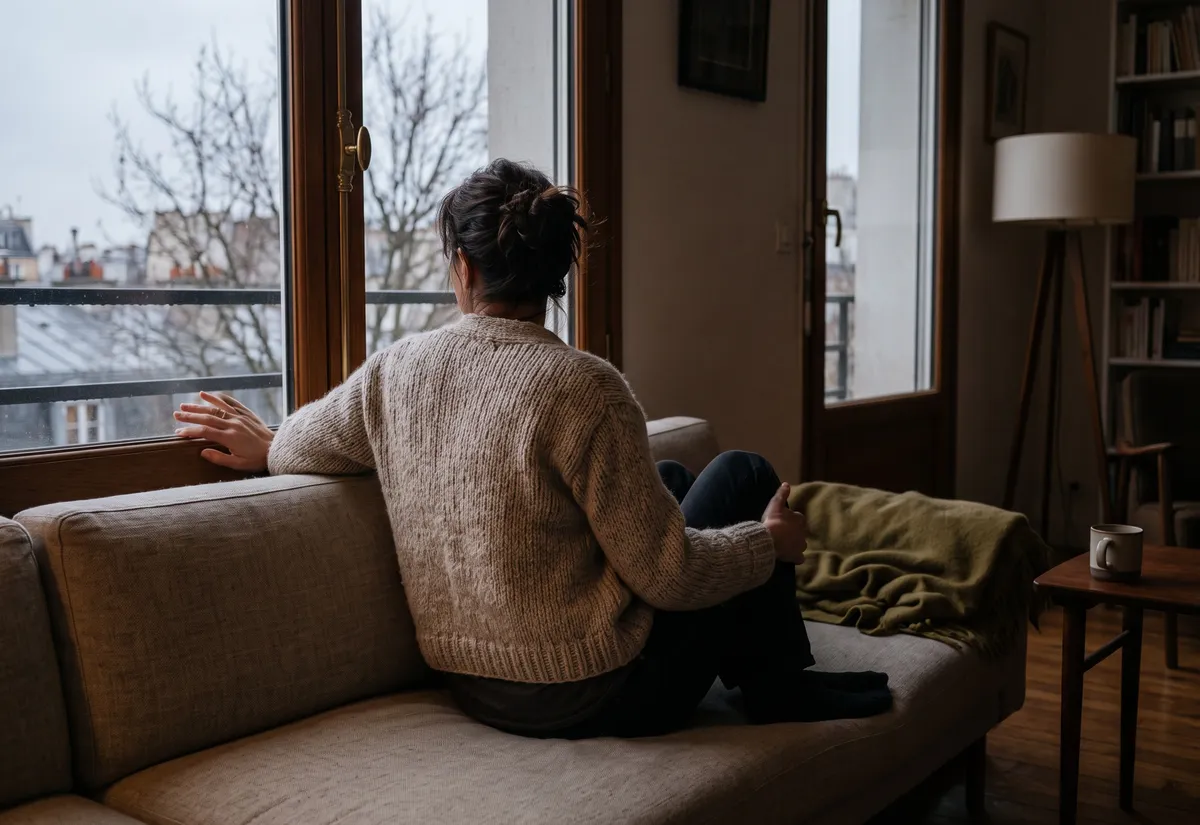
Energy drops as soon as the days shorten. Mornings get harder. The couch wins.
French grandmothers had names for this and a handful of habits against it, and some of those habits are genuinely good ones. But this page starts somewhere else, because the honest starting point is not a remedy.
This is depression, and that word is deliberate
The National Institute of Mental Health is direct about it: SAD is “a type of depression characterized by a recurrent seasonal pattern, with symptoms lasting about 4−5 months out of the year.”
Four to five months. That is not a bad week in January, and it is not something to push through on willpower and a good soup. It has recognized treatments, and they work.
What the evidence actually supports
Light therapy. According to NIMH, “since the 1980s, light therapy has been a mainstay for treating winter-pattern SAD.” In practice that means sitting in front of a very bright light box, 10,000 lux, for about 30 to 45 minutes every day, usually first thing in the morning. It is the one item on this page with decades of clinical use behind it.
Talk therapy. Cognitive behavioral therapy has been adapted specifically for this, as CBT-SAD.
Antidepressants. NIMH notes they “can be effective for SAD when used alone or in combination.”
Vitamin D. Often suggested, and worth discussing, but be careful what you read: NIMH says studies testing vitamin D as a treatment for SAD “have produced mixed results.” Have your level checked before you supplement, and let the result and your doctor decide the rest, not an article.
You will notice we give no supplement doses on this page. That is on purpose. Choosing a dose is a medical decision that depends on your blood work and on everything else you take, and putting numbers here would suggest otherwise.
What French tradition adds, and it is not nothing
None of what follows treats SAD. All of it makes a winter easier to live in, and it costs nothing to try.
Get outside in the morning. Thirty minutes of brisk walking within an hour of waking, even under a gray sky. Outdoor light on an overcast day is still far brighter than indoor light, and this is the closest the tradition comes to what a light box does deliberately. Ten minutes is better than nothing.
Let the morning arrive slowly. A dawn-simulating alarm brightens over about half an hour before you wake. It will not treat a depression, but a gentler waking in the dark months is a real comfort.
Keep the same bedtime, weekends included. Seven to nine hours, at the same hours. It is the single habit that turns up in every French list of winter advice, and it is also the one that reduces the number of bad days in a month for headaches, which winter tends to bring along with everything else.
Breathe on purpose. Five minutes, three times a day: in through the nose for five seconds, out through the mouth for five. Do it on waking, before lunch, and in the late afternoon. It is free, it is portable, and nobody has to know you are doing it.
Eat like it is winter. The good-mood smoothie in Virginie’s book is a banana, a tablespoon each of ground flaxseed and chia, plant milk, a little honey and a pinch of cinnamon, blended and drunk right away. It is a pleasant breakfast rich in plant omega-3s. It is a breakfast, not a treatment.
And treat the winter illnesses rather than living with them. A cough that drags on for three weeks costs sleep, and lost sleep makes everything on this page harder. Ours are the ordinary ones: cough remedies that let you get a night.
The plants people will tell you about
Three come up constantly. They deserve a straight answer rather than a warm one.
St. John’s wort: read this before anyone recommends it
This is the single most interaction-prone herb in common use, and the risk is not theoretical. The National Center for Complementary and Integrative Health puts it plainly: “Interactions with St. John’s wort can weaken the effects of life-saving medicines or cause dangerous side effects.”
It can weaken birth control pills, warfarin, cyclosporine after a transplant, HIV medicines, several cancer drugs, seizure medicines, heart medicines and statins. And taken with certain antidepressants or other serotonin-affecting drugs, it “may lead to increased serotonin-related side effects, which can be serious.”
NCCIH does note it “appears to be more effective than a placebo and as effective as standard antidepressant medications for mild or moderate depression.” That is exactly why it is dangerous to treat it as a harmless plant: it is active enough to work, and active enough to interfere. If you take any prescription medication, this is a conversation with your doctor or pharmacist before anything else.
Saffron and rhodiola
Both are traditionally used for low mood and low energy, and both are sold everywhere as supplements. We describe the tradition; we are not going to hand you a dose.
Saffron is contraindicated in pregnancy. And rhodiola, like any supplement, belongs in the conversation with whoever prescribes your medication, not in a cupboard next to it.
When to get help, and how
Talk to a doctor if the low mood comes back every year, lasts weeks rather than days, or is getting in the way of work, sleep, eating or the people you live with. SAD is diagnosable and treatable, and the treatments above are not exotic.
And if you are struggling right now, or having thoughts of suicide, you do not need to wait for an appointment. NIMH gives the same number we do: call or text 988, the Suicide & Crisis Lifeline. Free, confidential, answered by trained counselors, 24 hours a day, every day of the year. You can also chat online. If someone is in immediate danger, call 911.
That is not a formality at the end of an article. On this particular subject it is the most useful line on the page.
The two things that usually go with it
Seasonal depression rarely arrives alone. Sleep is often the first thing to go, and what helps insomnia is worth reading alongside this page.
And if the weight you are carrying is pressure rather than season, what helps stress is the more useful page of the two.
FAQ
Is seasonal affective disorder just the winter blues?
No. Feeling flatter in February is common and passes. SAD is a diagnosed form of depression with a seasonal pattern that runs four to five months and comes back. If you recognize yourself in the second description rather than the first, that is worth a doctor’s opinion.
Does a light box really work, or is it a gadget?
It works, and it is the standard first-line treatment for winter-pattern SAD. What matters is the specification and the routine: 10,000 lux, 30 to 45 minutes, every morning through the season. A desk lamp is not a light box.
Can I use St. John’s wort instead of an antidepressant?
Not on your own initiative. It is genuinely active, which is the problem: it interferes with a long list of medications, including antidepressants, where the combination can be serious. Ask your doctor or pharmacist first, every time.

Virginie Verglas
Virginie is a French journalist and author. She founded Grands-Mères.net in 2012, and her book "The French Book of Natural Remedies" is the American edition of her work on traditional remedies.