Sunburn home remedies: cool compresses, oatmeal and aloe
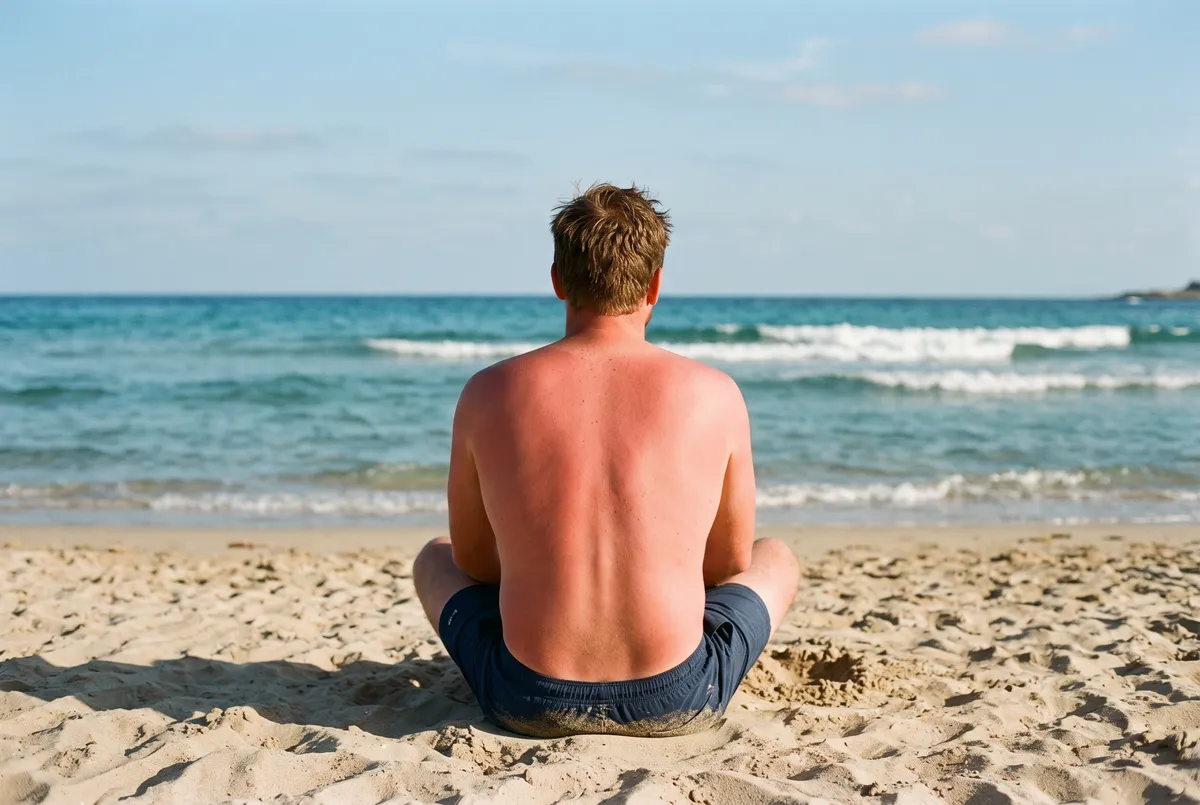
A sunburn is a burn. That sounds obvious until you notice how casually we treat it, and it is the reason the order below matters more than the ingredients.
MedlinePlus describes it as “reddening of the skin that occurs after you are overexposed to the sun or other ultraviolet light”, and notes that the damage to skin cells is often permanent. What follows will make the next three days more bearable. It will not undo anything, and no remedy on this page claims to.
French grandmothers had a fixed sequence for this: cool it, soothe it, and only then feed it. Here is that sequence, with the timing that makes each step work.
Step one: cool compresses
This is the first gesture and the one people skip.
Soak a clean cloth in cool water, wring it out, and lay it on the burn for 15 minutes. Repeat as often as you like. A cool bath does the same thing over a larger area. MedlinePlus puts it first as well: “apply cool baths or clean, wet washcloths to affected areas”.
Cool, not ice-cold, and never ice directly on the skin. Ice on skin that is already burned adds a second injury on top of the first.
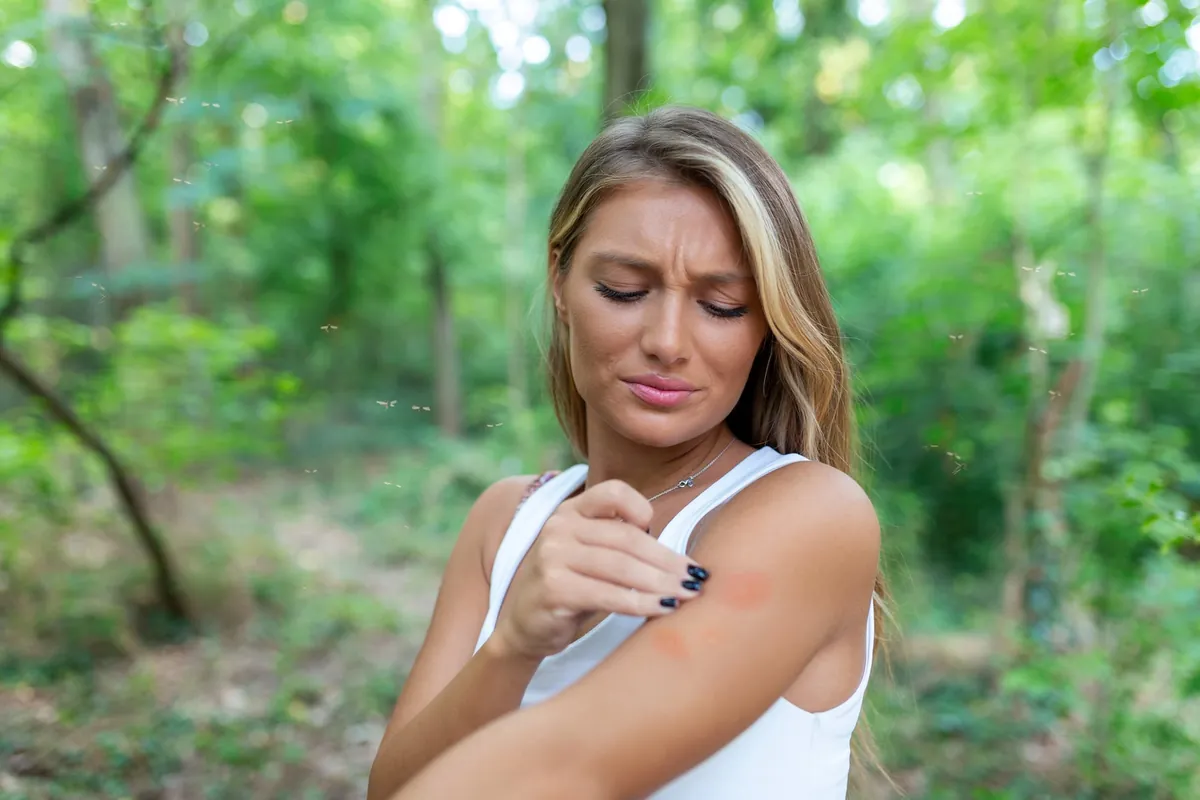
Cold is the single most reliable thing on this page, and it is the same reflex that works on mosquito bites and on a wasp sting: it numbs, and it takes the heat out of the tissue.
Chilled green tea compresses
A French refinement on the same idea, and the one worth the small extra effort.
Bring 2 cups (500 ml) of water to about 176°F (80°C) and pour it over 4 organic green tea bags. Steep covered for 10 minutes, remove the bags with a light squeeze, let the infusion cool to room temperature, then refrigerate it for 2 hours. Soak sterile gauze generously in the chilled tea and hold it on the burn for 15 minutes, three times a day.
Keep the used bags in the fridge and lay them straight on the sorest spots.
What this is and is not. The cold is doing work we can vouch for. Green tea has been used on skin after sun for a long time, and we are presenting it as that: a tradition, with the cold doing the heavy lifting.
The oatmeal bath
For a burn that covers more than a patch, this beats anything you can spread by hand.
Blend 5 oz (150 g) of rolled oats to a flour-fine powder, tip it into a muslin bag or a clean cotton sock and tie it firmly. Fill the tub with lukewarm water, 95 to 99°F (35 to 37°C), never hot. Drop the bag in and squeeze it repeatedly until the water goes milky. Soak for 15 minutes with all the burned skin submerged.
No soap, and pat dry rather than rub. The oat water leaves a film on the skin, and rubbing it off defeats the point.
No blender? Wrap the oats in a clean cloth and let them soak in the bathwater for 15 minutes. The mucilage comes out on its own.
Honey, on intact skin only
Once the skin has cooled and is dry, spread a thin layer of honey, about ⅛ inch (3 mm), over the red area with a clean spatula. Leave it 30 minutes, then rinse with lukewarm water without rubbing. Up to three times a day, for three days.
Mixing it with aloe vera gel, one part honey to three of gel, makes it far easier to live with.
Never on a blister. A blister is an open wound, and MedlinePlus is specific about what it needs instead: “for blistered skin, use dry bandages to prevent infection”. Honey, oil and cream all belong on unbroken skin.
Aloe vera
Split a fresh aloe leaf and scoop out the gel, or use a store-bought gel that is at least 95% aloe. Spread it on and let it dry. Two or three times a day.
This one has research behind it, and it is worth quoting exactly. The National Center for Complementary and Integrative Health reports that “clinical research suggests topical application of aloe gel may speed burn healing and reduce burn-related pain.”
Two limits from the same page. Topical aloe is generally well tolerated, but NCCIH notes “occasional reports of burning, itching, rash, and eczema”, so try a small patch first. And aloe taken by mouth, in gel, latex or whole-leaf form, “may be unsafe during pregnancy and while breastfeeding”. Nothing here asks you to swallow any: this is a gel for the skin.
Coconut oil, and only after 48 hours
On clean dry skin, tap a thin layer of virgin coconut oil in without massaging. Morning and evening, through the peeling phase.
The timing is the whole instruction, and here is why we are being firm about it. MedlinePlus advises using “moisturizing cream (not oil-based products like petroleum jelly)” on a fresh sunburn, because an oily layer holds heat against skin that is trying to get rid of it. Coconut oil is a peeling-phase remedy, once the burn has stopped being hot. Used on day one it works against you.
What not to reach for
MedlinePlus names two things directly, and they are exactly what an American pharmacy aisle offers first: “avoid products containing benzocaine or lidocaine”. The numbing sprays sold for sunburn are the ones to walk past.
Beyond that: wear loose cotton, drink plenty of water, and take an over-the-counter pain reliever if you need one.
When to see a doctor
A fever with a sunburn is not part of the deal. MedlinePlus says to contact your provider right away if you have one.
Seek care right away as well if there is:
- feeling faint or dizzy;
- a rapid pulse or rapid breathing;
- extreme thirst, no urine output, or sunken eyes;
- pale, clammy or cool skin;
- nausea, chills or a rash;
- eye pain and sensitivity to light;
- severe, painful blisters.
That list follows MedlinePlus and it is worth reading twice, because most of it describes heat illness and dehydration rather than the skin. A bad afternoon in the sun does both at once.
And the headache that often comes with it is usually the dehydration part talking. A large glass of water is the first of our headache remedies for exactly that reason.
The other side of the same sun
There is a strange symmetry to light. The summer version burns you in an afternoon and the winter version is the one people miss so badly that it flattens their mood for months. If dark mornings are what is wearing you down rather than a July beach, we wrote about that separately: seasonal affective disorder.
FAQ
How long before I can put oil or cream on a sunburn?
Give it 48 hours. Until the skin has stopped feeling hot, stay with cool compresses, the oatmeal bath, aloe gel and honey on unbroken skin. Oil goes on when the peeling starts, not before.
Can I use these remedies on a child’s sunburn?
Cool compresses, a lukewarm oatmeal bath, plenty of water and loose cotton, yes. Be much more cautious with anything spread on the skin, and call a pediatrician rather than improvise if a young child has blisters, a fever or is drowsy.
Does aloe straight from the plant work as well as the bottle?
For the gel itself, yes, and it is what a French grandmother would have used if she had the plant on the windowsill. Scoop the clear gel only, avoid the yellow latex just under the rind, and use a bottled gel that is at least 95% aloe if you have no plant.

Virginie Verglas
Virginie is a French journalist and author. She founded Grands-Mères.net in 2012, and her book "The French Book of Natural Remedies" is the American edition of her work on traditional remedies.